
How DRTV created the retail demand proof that opened the doors to Walgreens, Walmart, and CVS.

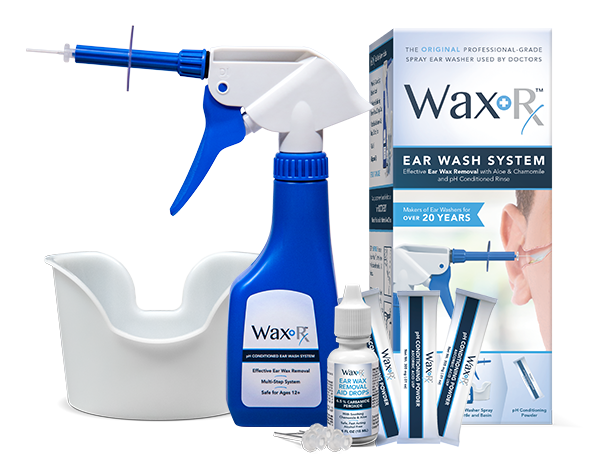
WaxRx was built on a powerful clinical foundation. Dr. Easy, a Florida-based medical company, had already developed the professional ear cleaning systems trusted by physicians across the country. Their devices were the standard of care in clinical settings nationwide. WaxRx was the at-home version — designed to deliver that same medical-grade experience directly to consumers.
The opportunity was real. The obstacle was the category.
Ear care was a commodity. Shelves were dominated by $8 ear drop solutions. WaxRx would launch at $40 — five times the price of anything around it. Retail buyers understood the quality of the product. But they couldn't see the consumer making that leap.
"Why would someone spend $40 on ear care when they can spend $8?"
Every buyer asked some version of that question. And if WaxRx tried to answer it directly, they would lose. Because that question assumed the wrong competitive frame entirely.
The real problem wasn't the price. It was that nobody had yet defined what WaxRx was actually competing against.
Retail buyers are not gamblers. They don't take chances on unproven products — especially premium-priced ones in commoditized categories. What they need before they say yes is simple: proof that consumers already want it. That proof almost never comes from a pitch deck. It comes from demand that exists before the product hits the shelf.
Jekyll + Hyde Labs didn't try to win an argument consumers weren't having. We changed the category WaxRx was competing in — and built the demand proof retail buyers needed to act.
1. Built the Product System from the Ground Up
J+H worked alongside the client from the start — developing the product positioning, naming, packaging architecture, kit formulation, and retail presentation strategy. The objective was never to create a better ear drop. It was to create a new product category: an at-home, medical-grade ear cleaning system. That distinction became the foundation of everything that followed.
2. Repositioned the Competitive Frame
The strategic breakthrough was a simple but consequential decision: stop comparing WaxRx to $8 ear drops entirely. Instead, we repositioned the product against the doctor's office — the appointment, the co-pay, the time off work, the inconvenience of clinical ear cleaning. Suddenly, $40 wasn't expensive. It was a bargain.
"Why take half a day off work for something you can now do safely at home?"
That reframe changed the entire value equation. "Expensive ear product" became "affordable healthcare convenience." The consumer wasn't trading up from an $8 bottle. They were opting out of a clinical visit.
3. Led with Medical Authority
The brand's most powerful asset wasn't the product — it was the provenance. WaxRx was developed by the same company whose professional systems were used by physicians nationwide. That origin story gave consumers exactly what they need from a health product: real credentials, not marketing claims. We made that truth the center of every message. Consumers weren't buying a consumer gadget. They were accessing a clinical-grade solution at home.
4. Used DRTV to Create the Demand Proof Retail Needed
When broker resistance slowed retail adoption, J+H made a deliberate strategic recommendation: don't wait for retail. Go to consumers first through DRTV — and use that performance to force the retail conversation. Television, when used as a demand-creation tool rather than just a sales channel, generates something no pitch deck can: documented proof that real consumers want your product.
When a brand walks into a retail buyer meeting with national TV behind it and 100,000 units sold, the dynamic shifts completely. The buyer is no longer evaluating a product. They're evaluating whether they can afford to be the retailer that doesn't carry it.
5. Converted Media Performance into Retail Leverage
Once the TV campaign produced results, J+H re-engaged major retail buyers — not to ask for a chance, but to present a fait accompli. The conversation changed from "Please take this product" to "Consumers already want this product. The question is whether you'll be on the shelf when they look for it."
That shift in posture — from supplicant to partner — is what the DRTV strategy was designed to enable from the beginning.
The media approach was sequenced deliberately — radio to test and refine the message, television to scale what worked and generate the demand proof that retail required.
Phase 1 — SiriusXM Radio
National radio gave WaxRx access to health-conscious, older audiences — the consumer most likely to recognize the value of a professional ear cleaning solution at home. Radio allowed rapid message iteration at lower cost before committing to national television production.
Phase 2 — National Television
Television was the trust engine. Fox News and Fox Business provided high-affinity audiences with strong health product purchase intent. The DRTV spot was built to accomplish three things in sequence: demonstrate the problem clearly, establish medical credibility immediately, and convert on the first impression.
Every media dollar served a dual purpose: generate direct revenue and build the case for retail. The campaign was not designed to simply sell kits. It was designed to make WaxRx undeniable.
Once television proved consumer demand at scale, the retail timeline accelerated quickly. Buyers who had been resistant had a new question — not "why would someone spend $40" but "why aren't we carrying this already."
WaxRx is now distributed across Walgreens, Walmart, CVS, and major retailers nationwide. Competing brands and private label entrants have followed into the premium ear care segment — a segment that did not exist before WaxRx created it.
The brand didn't just win shelf space. It created the shelf.
The WaxRx story is not about ear care. It's about what it actually takes to get a brand into retail — and how to do it in a way that sets you up to win once you're there.
Retail buyers are not moved by great products alone. They are moved by evidence that consumers already want your product. Building that evidence — before you walk into a buyer meeting — is the most important work a brand can do in the pre-retail phase. DRTV is one of the most effective tools ever developed to create it.
At the same time, the WaxRx case demonstrates something equally important: retail success requires the right strategic foundation before the media runs. Positioning, packaging, product architecture, competitive framing — these decisions determine whether DRTV works, and whether retail lasts.
"The brands that win in retail aren't the ones with the best products. They're the ones who show up with demand already behind them."
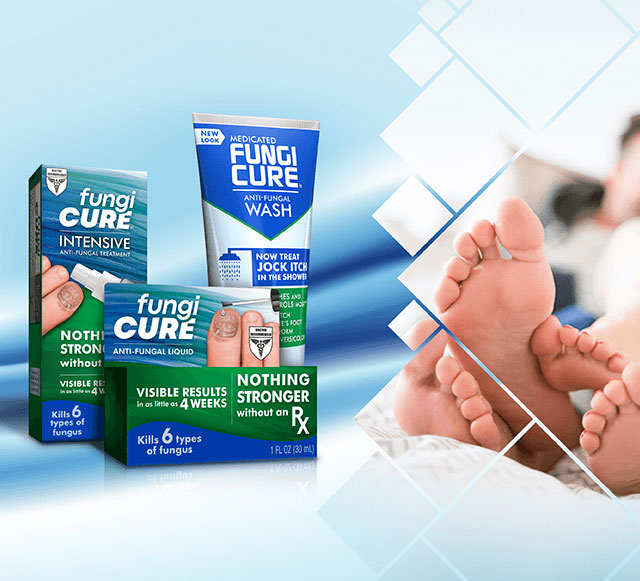
FungiCure needed a big change to stay competitive, made difficult by their relatively small budget.
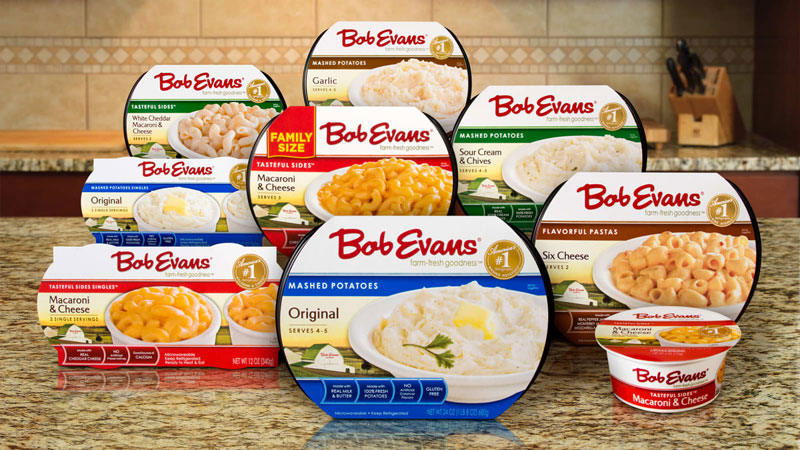
Lifting a national brand in key markets without the national budget.